192 pages
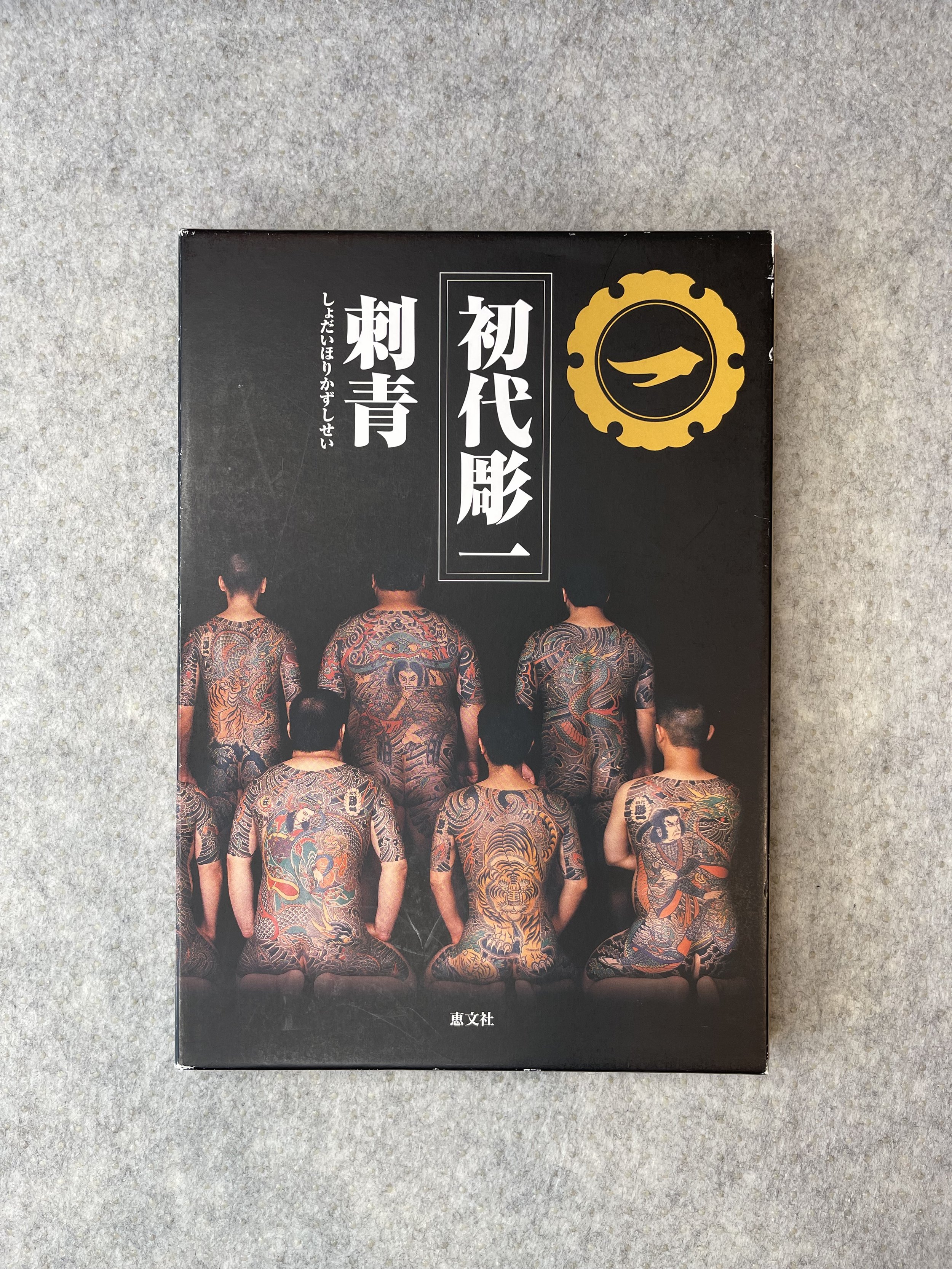
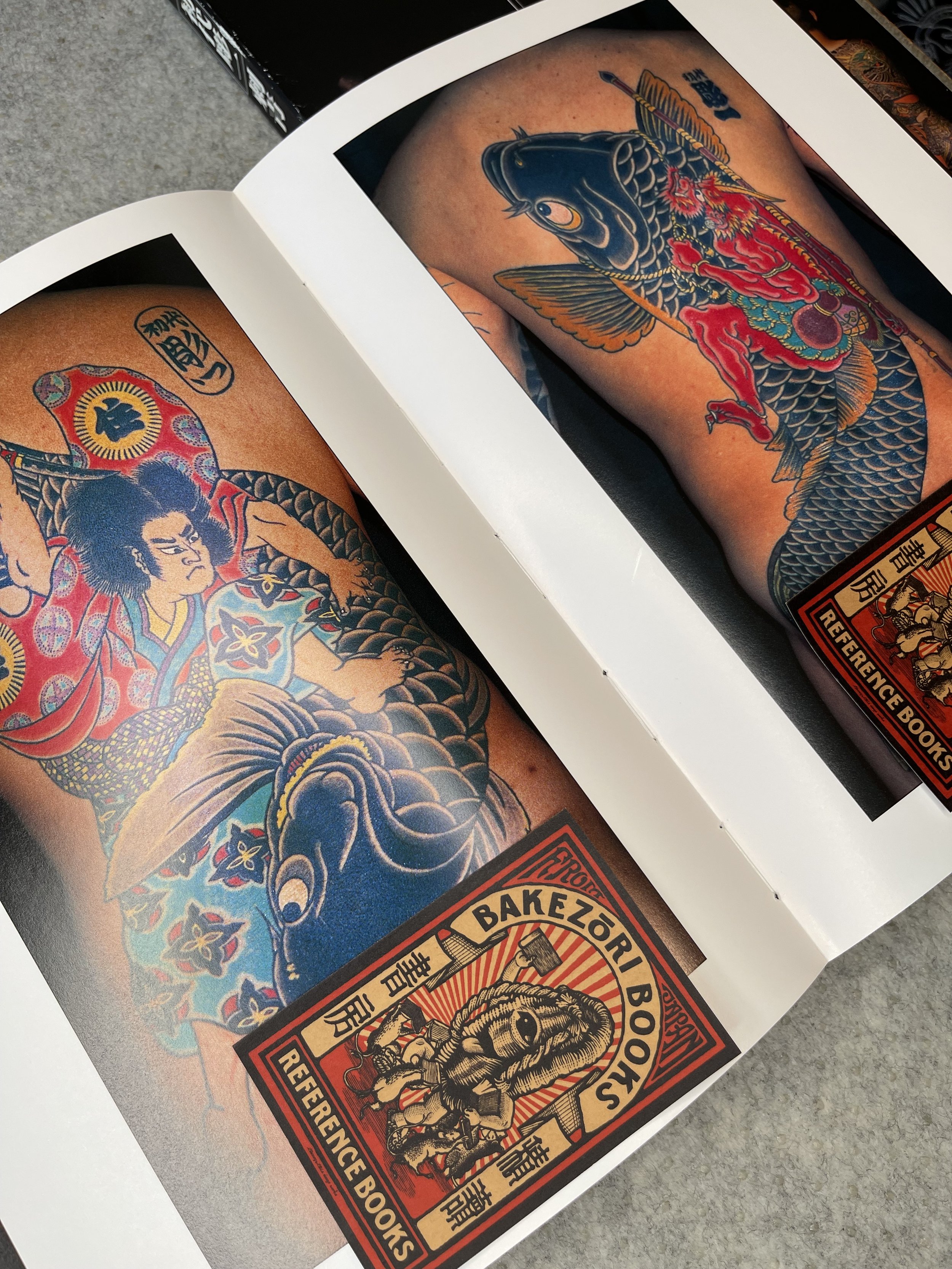
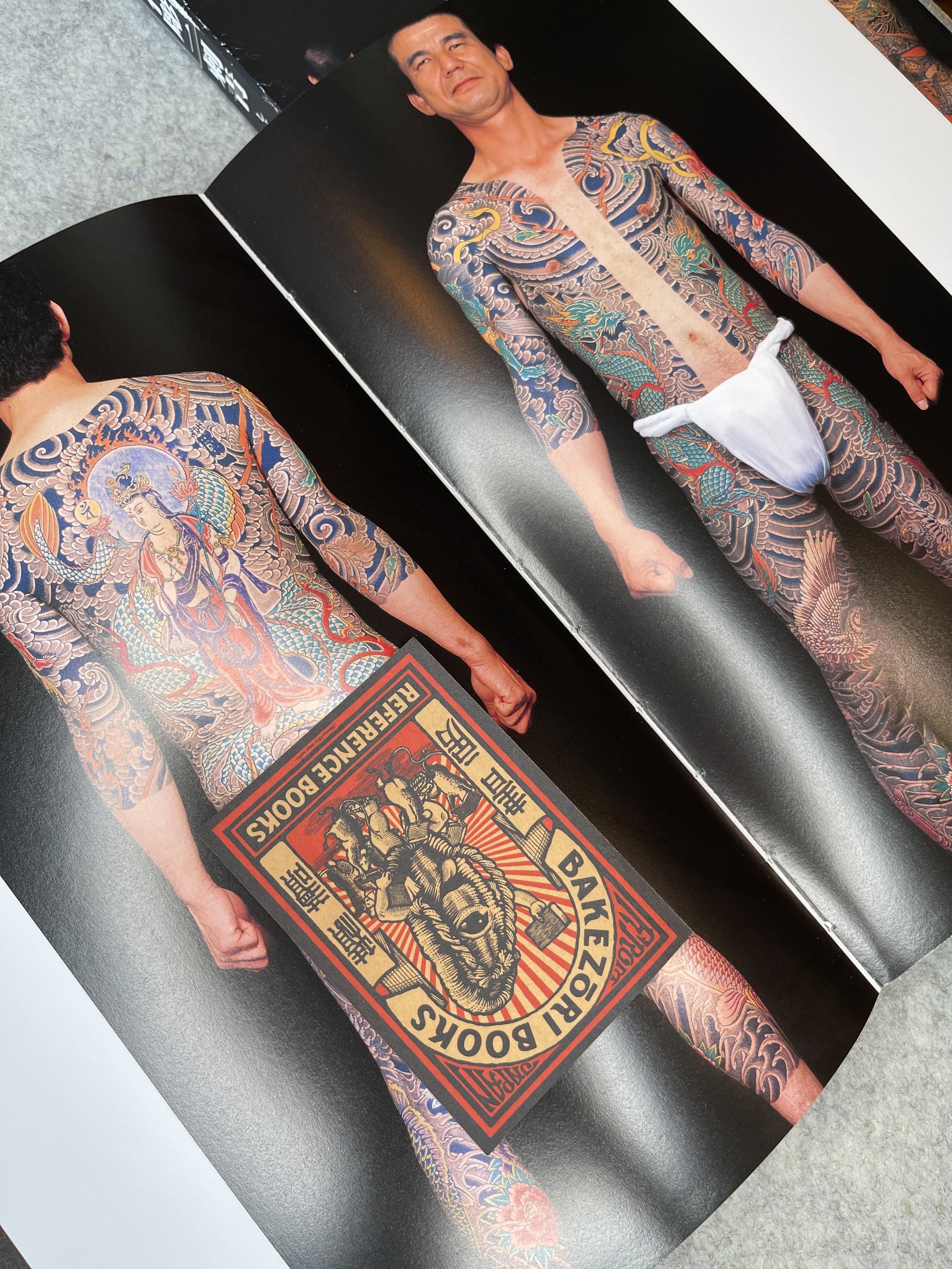
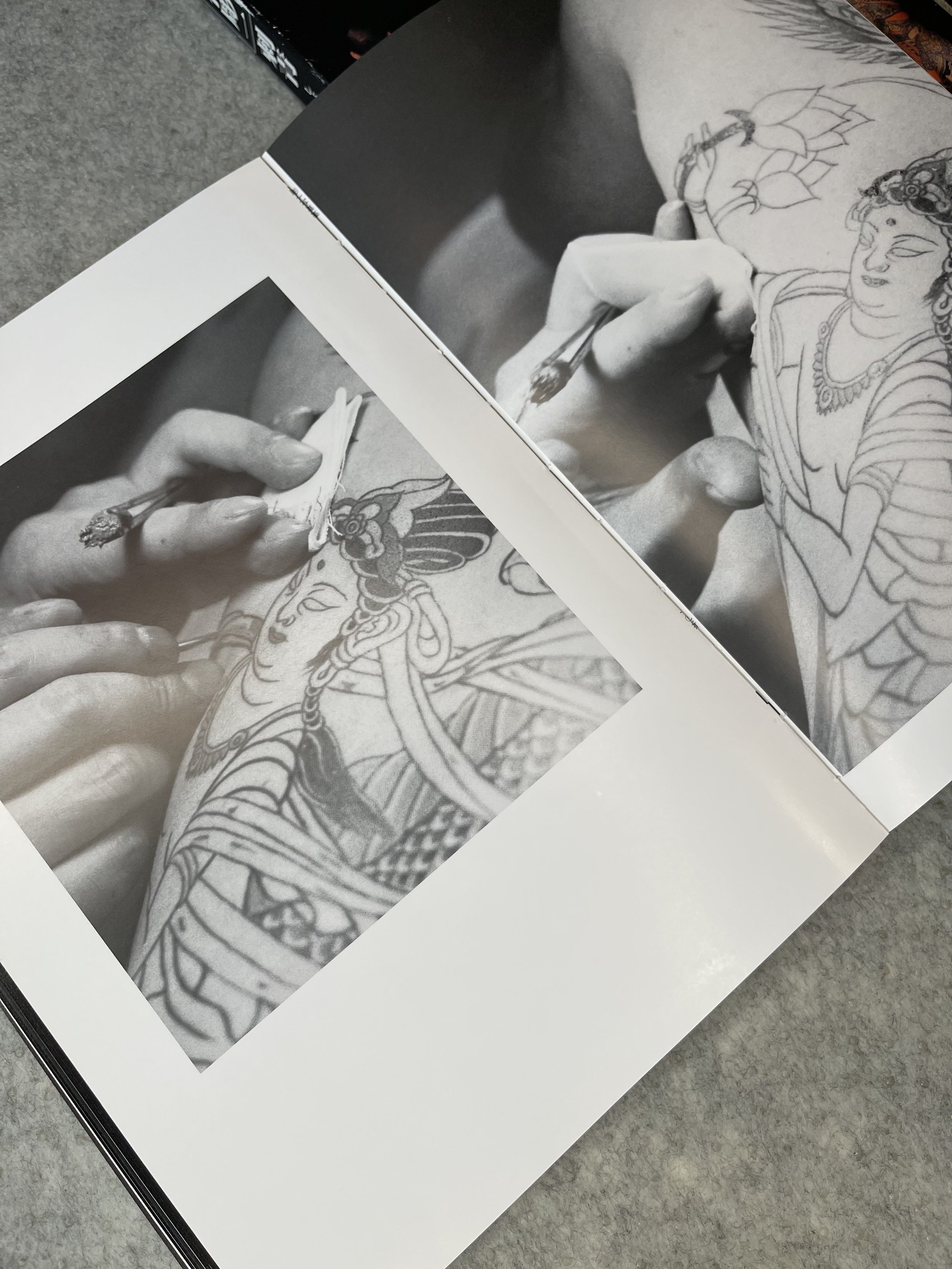
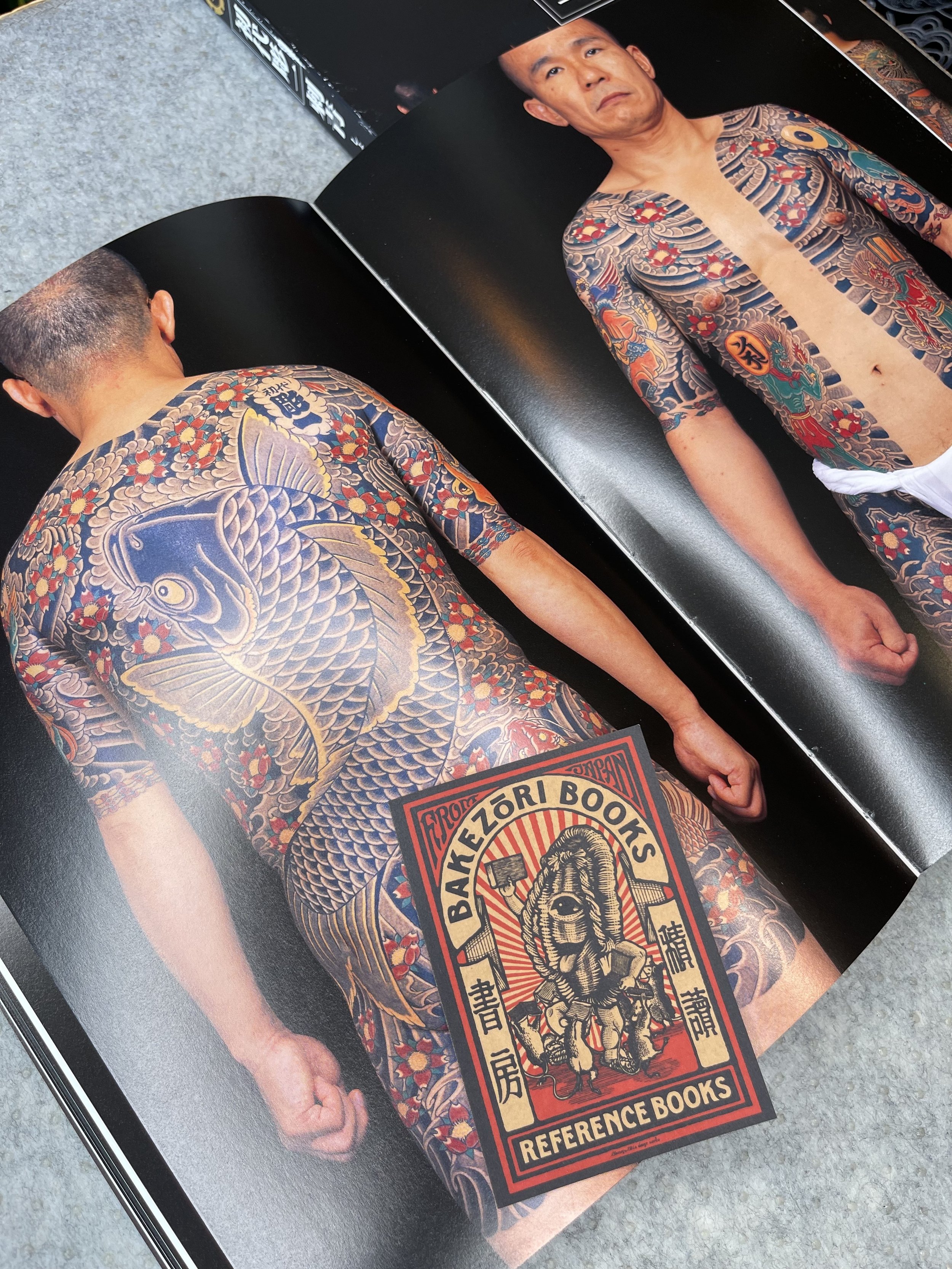
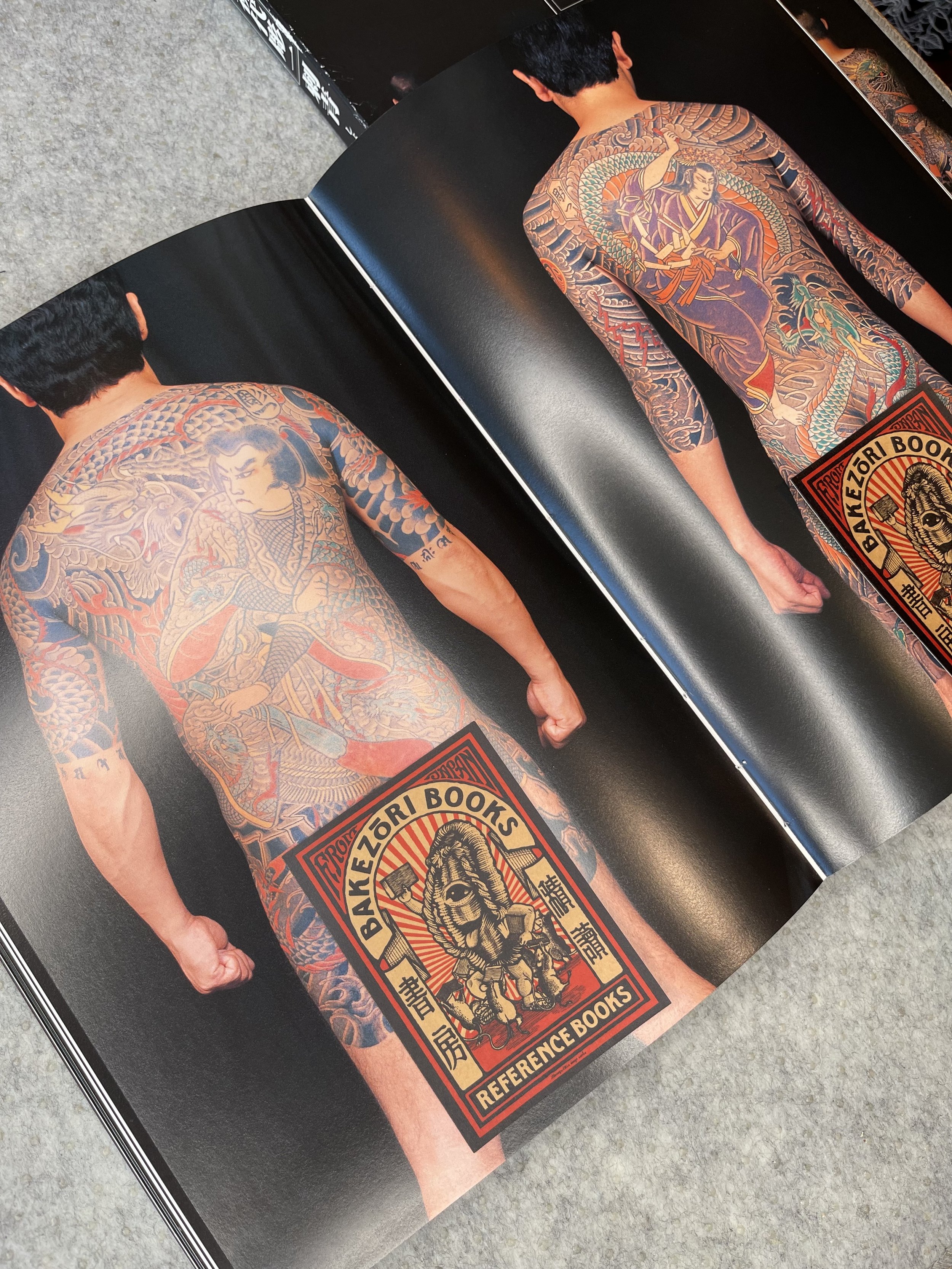
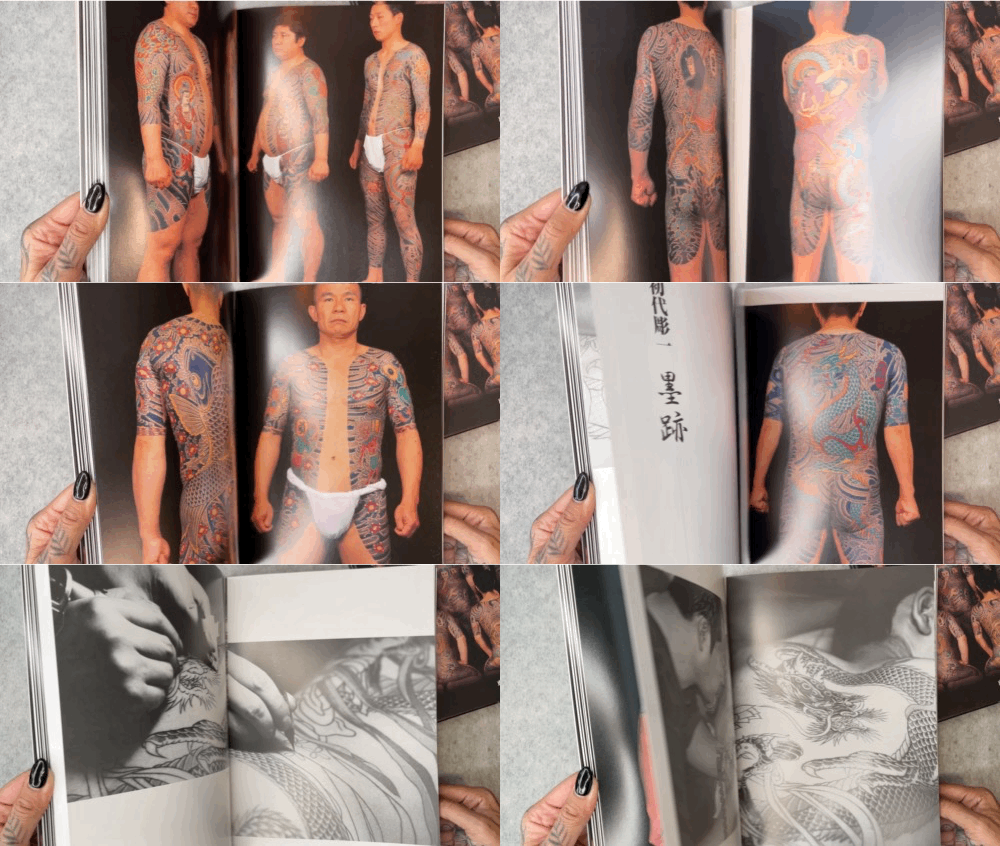
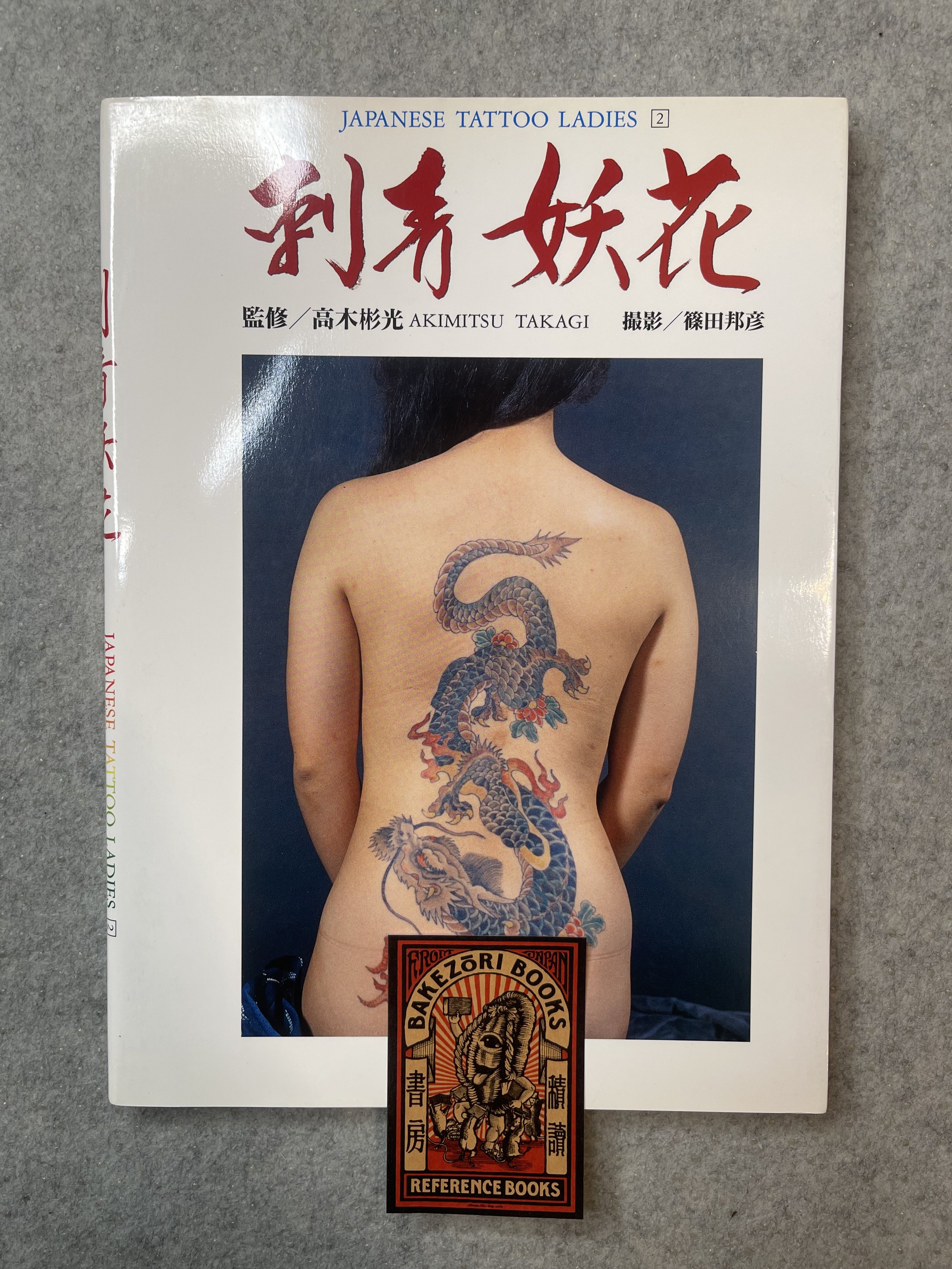
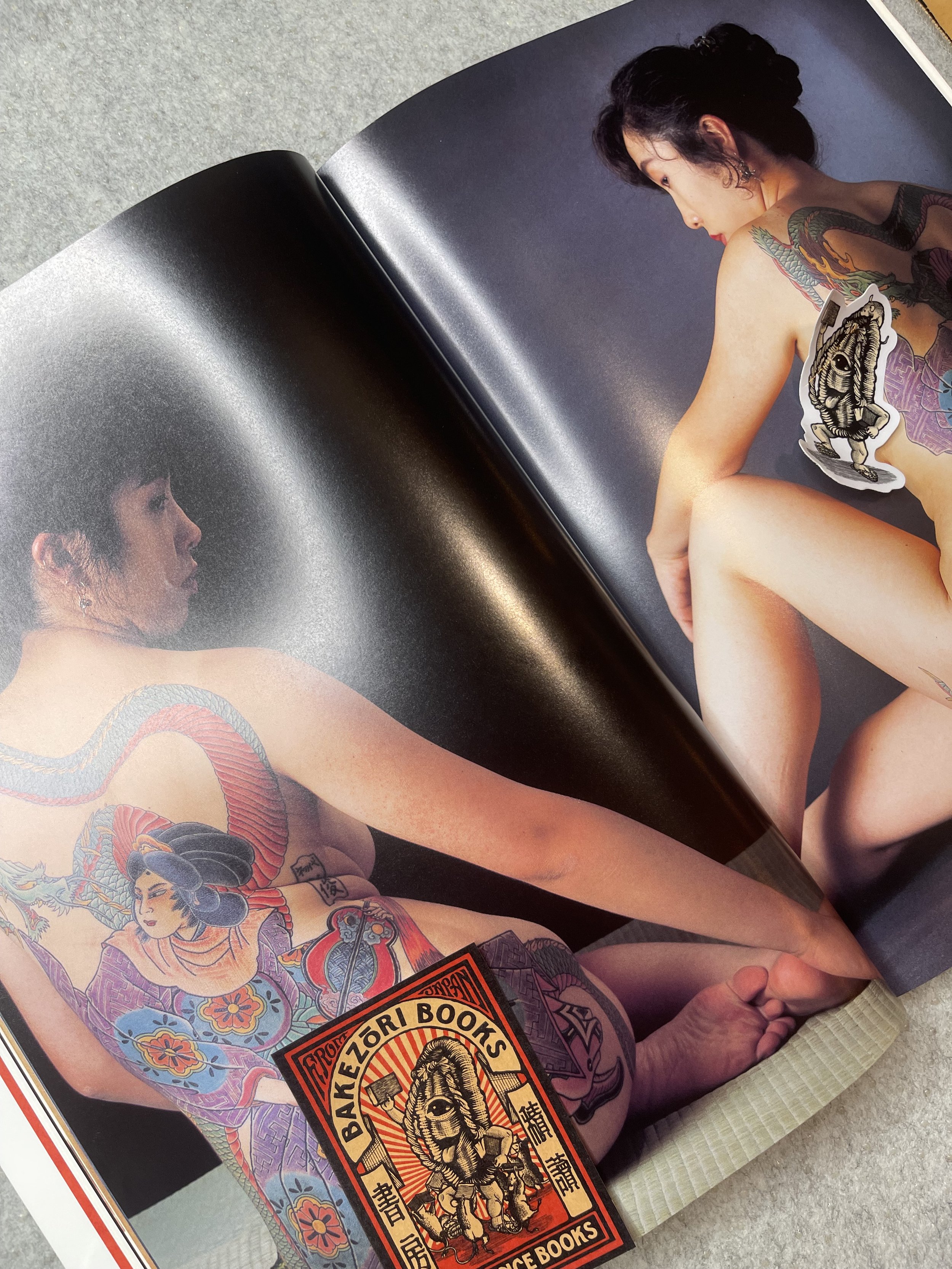
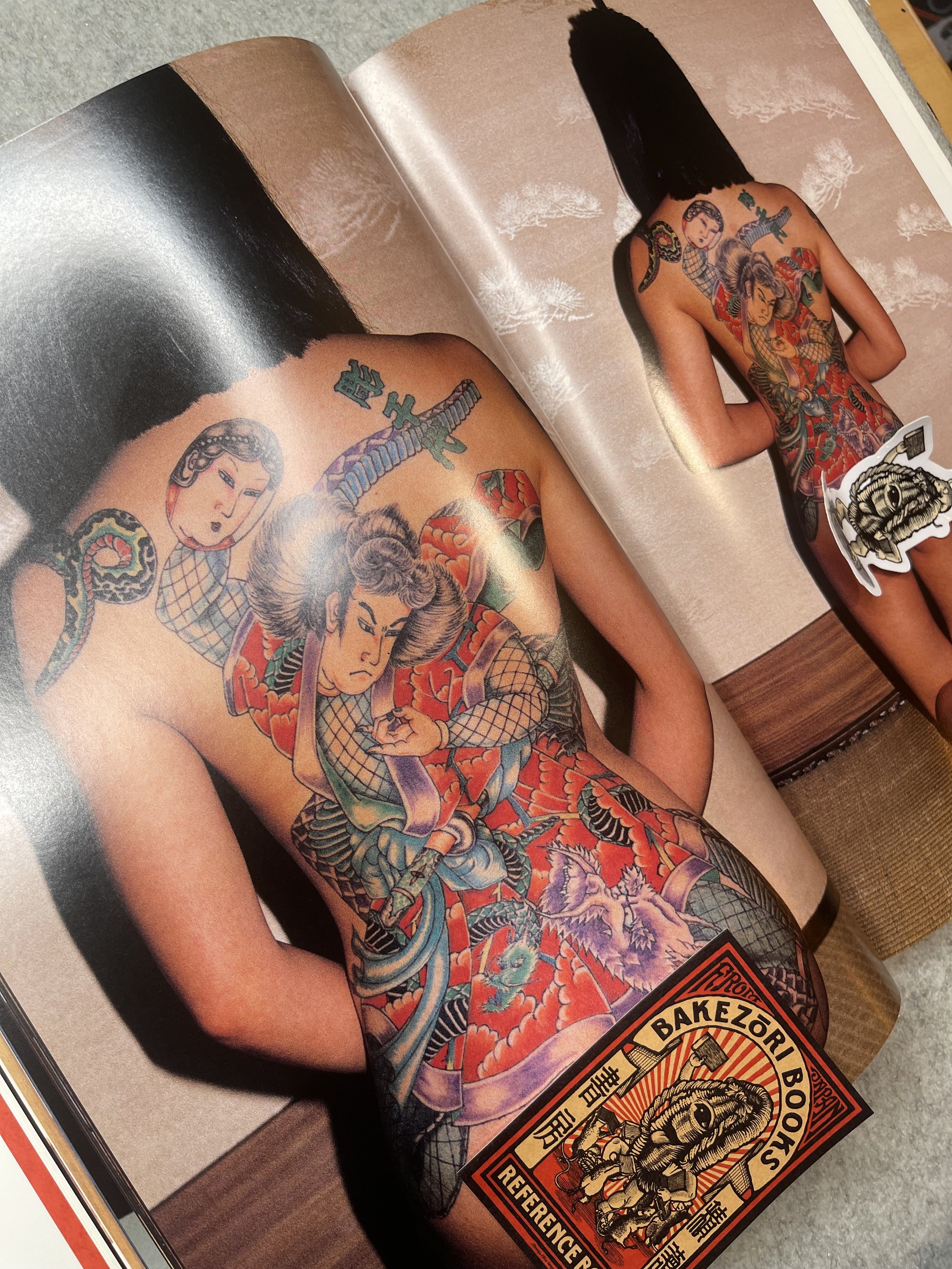
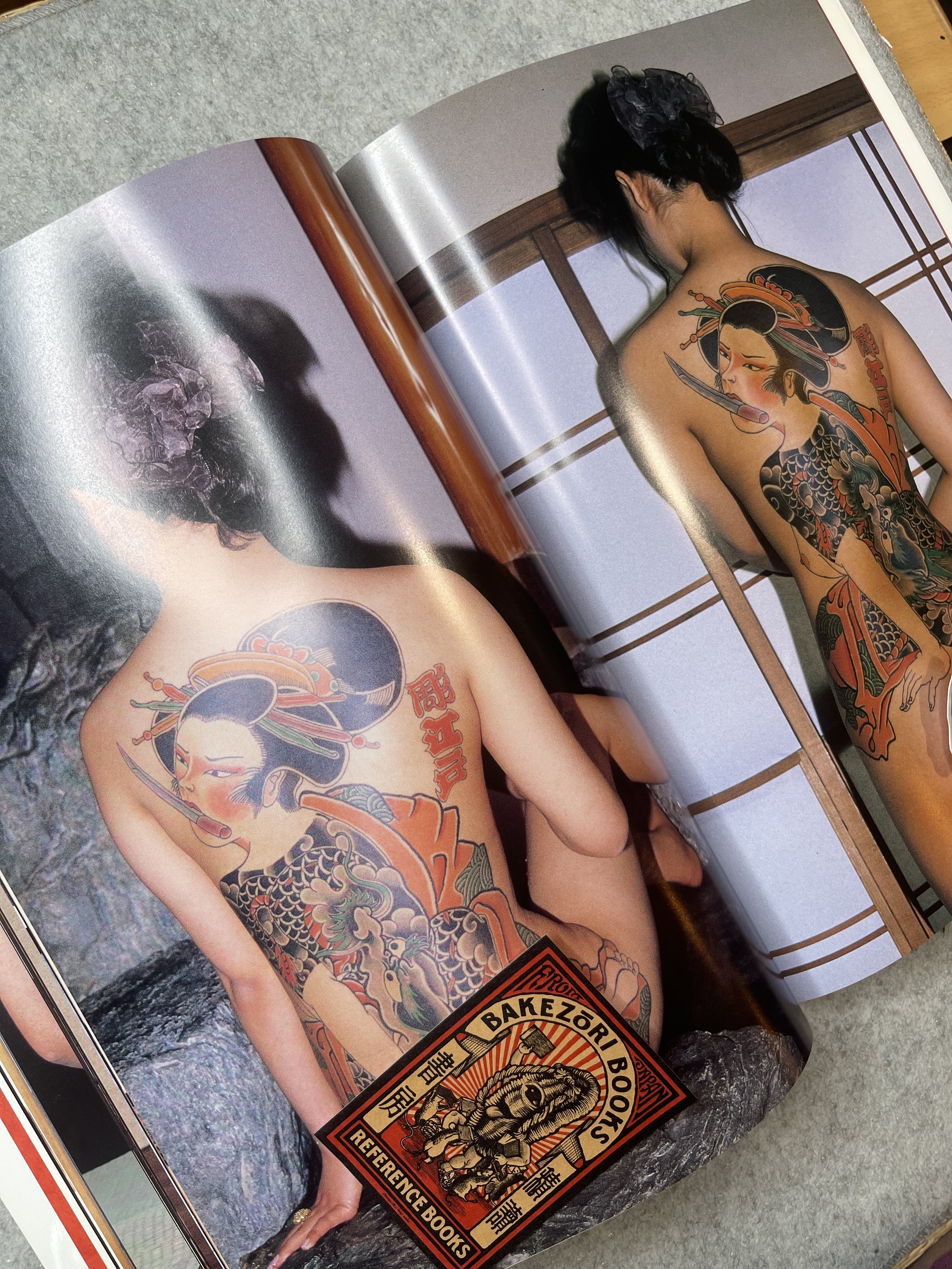
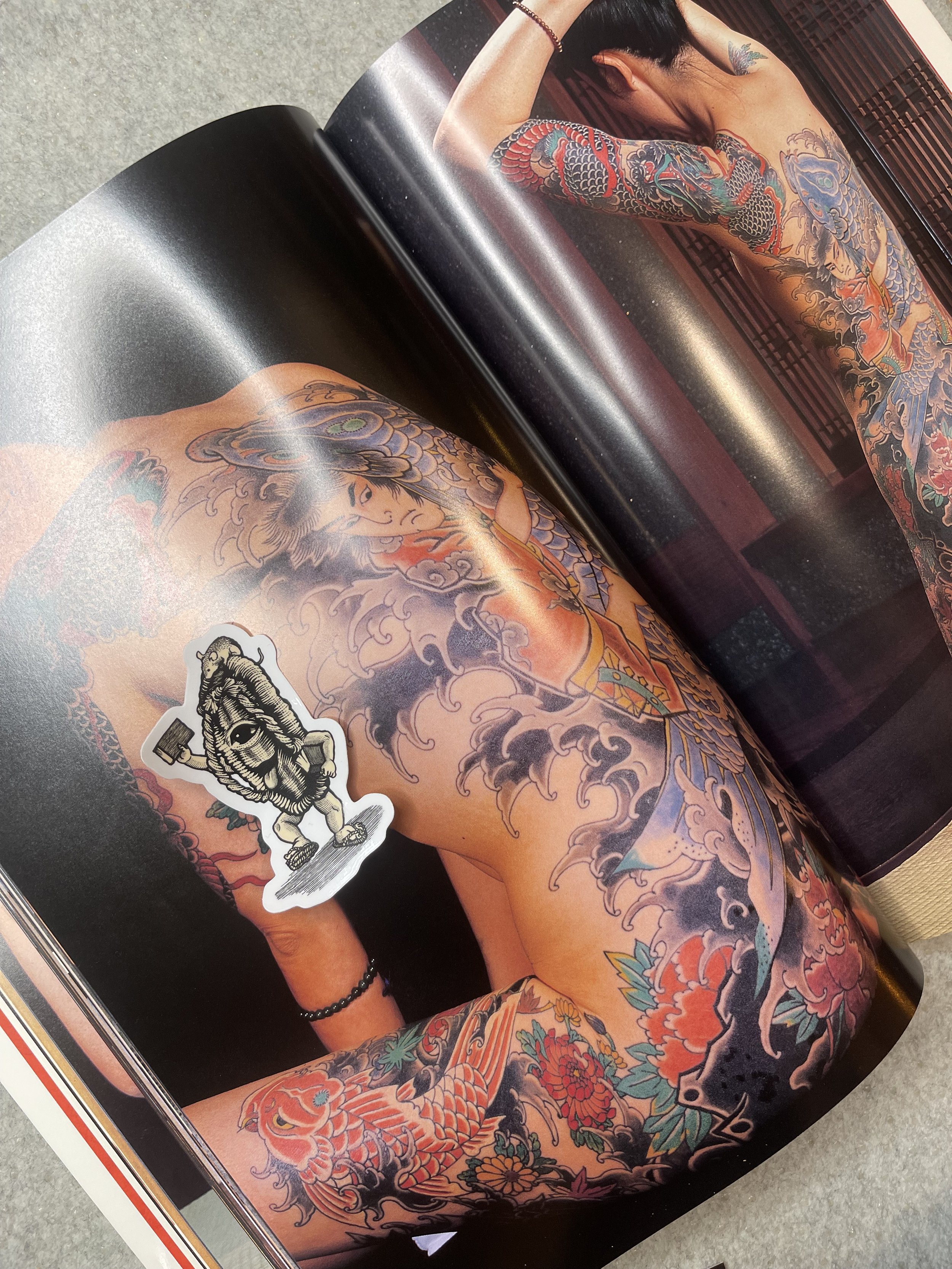
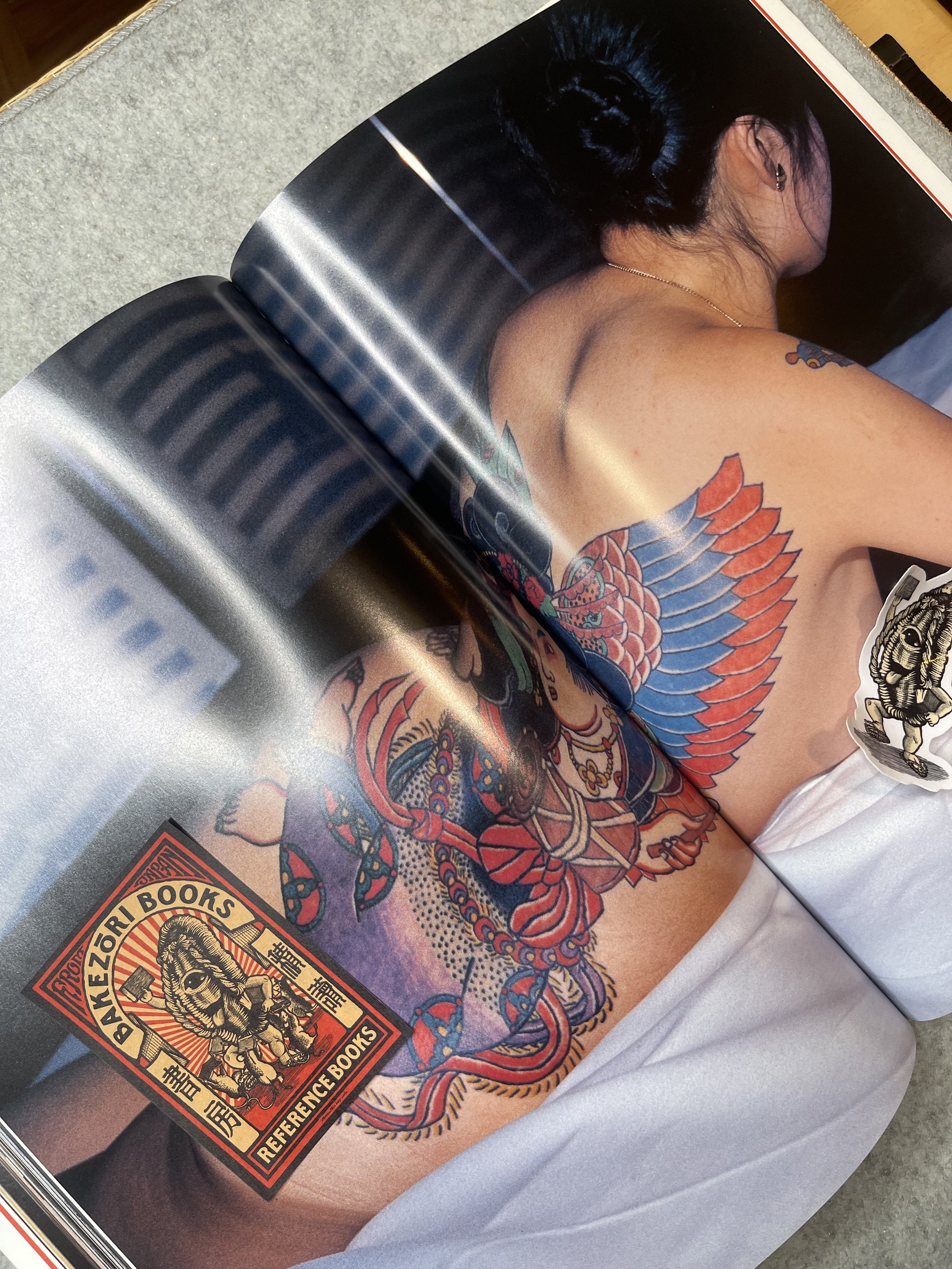
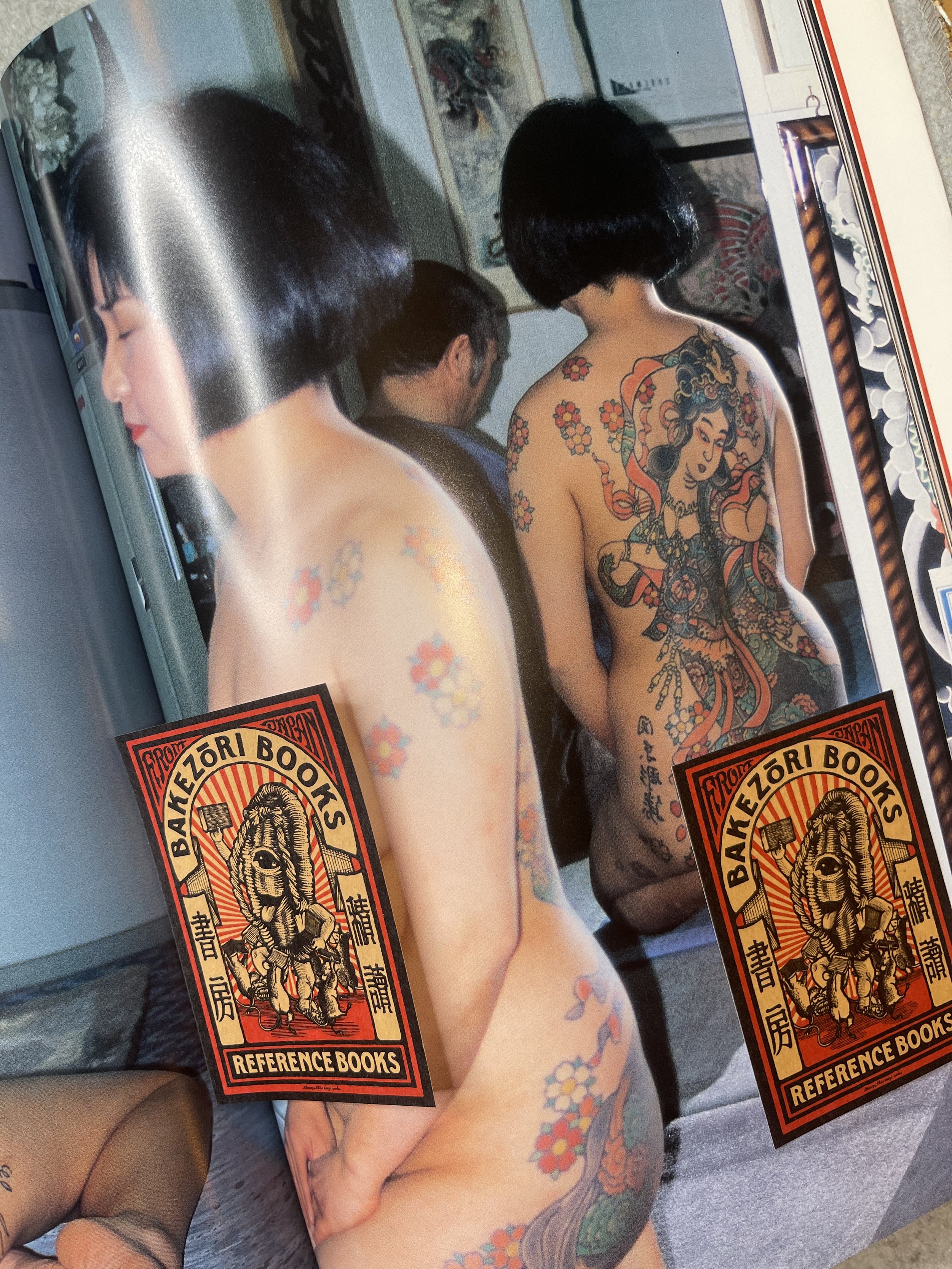
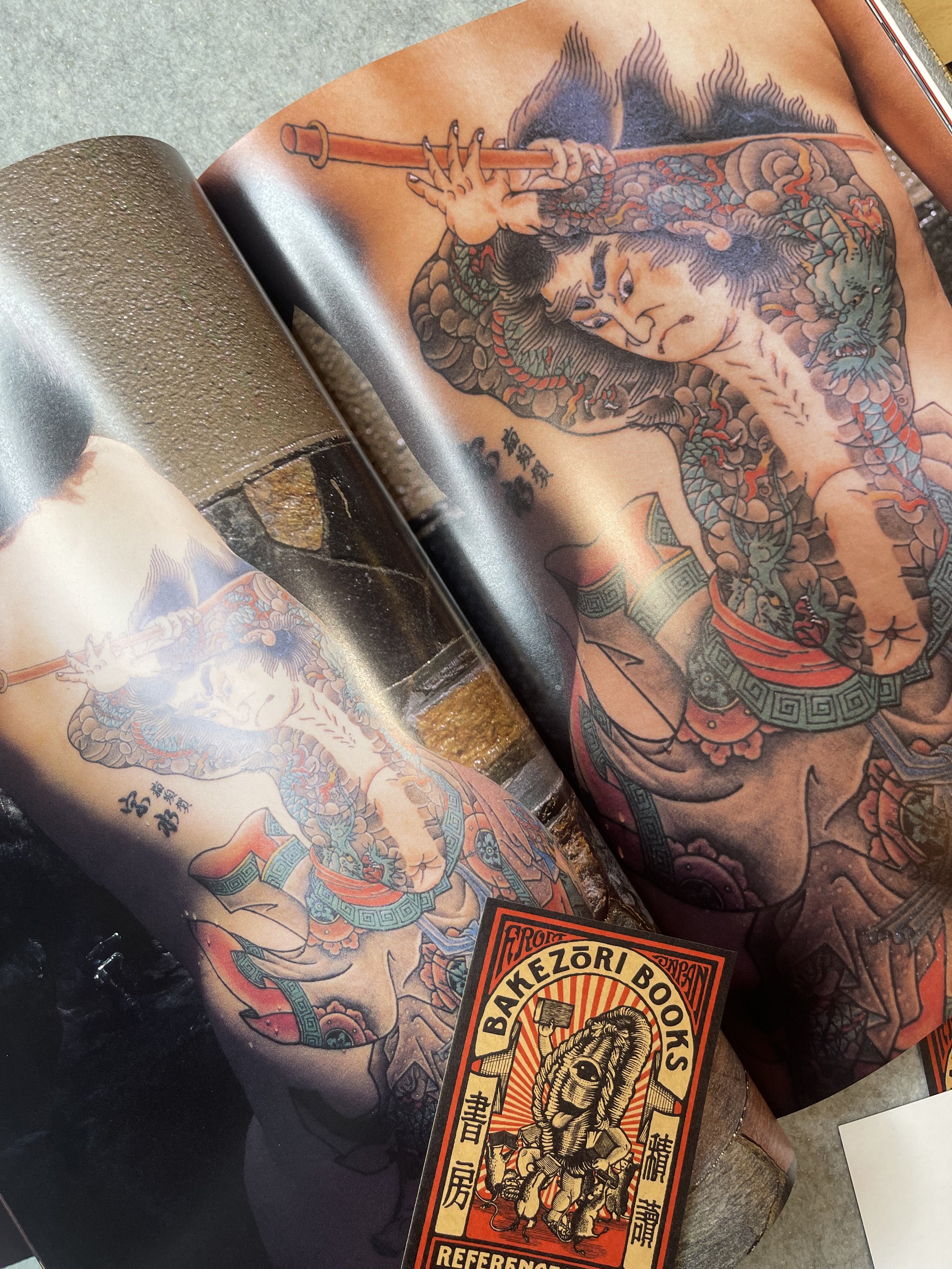
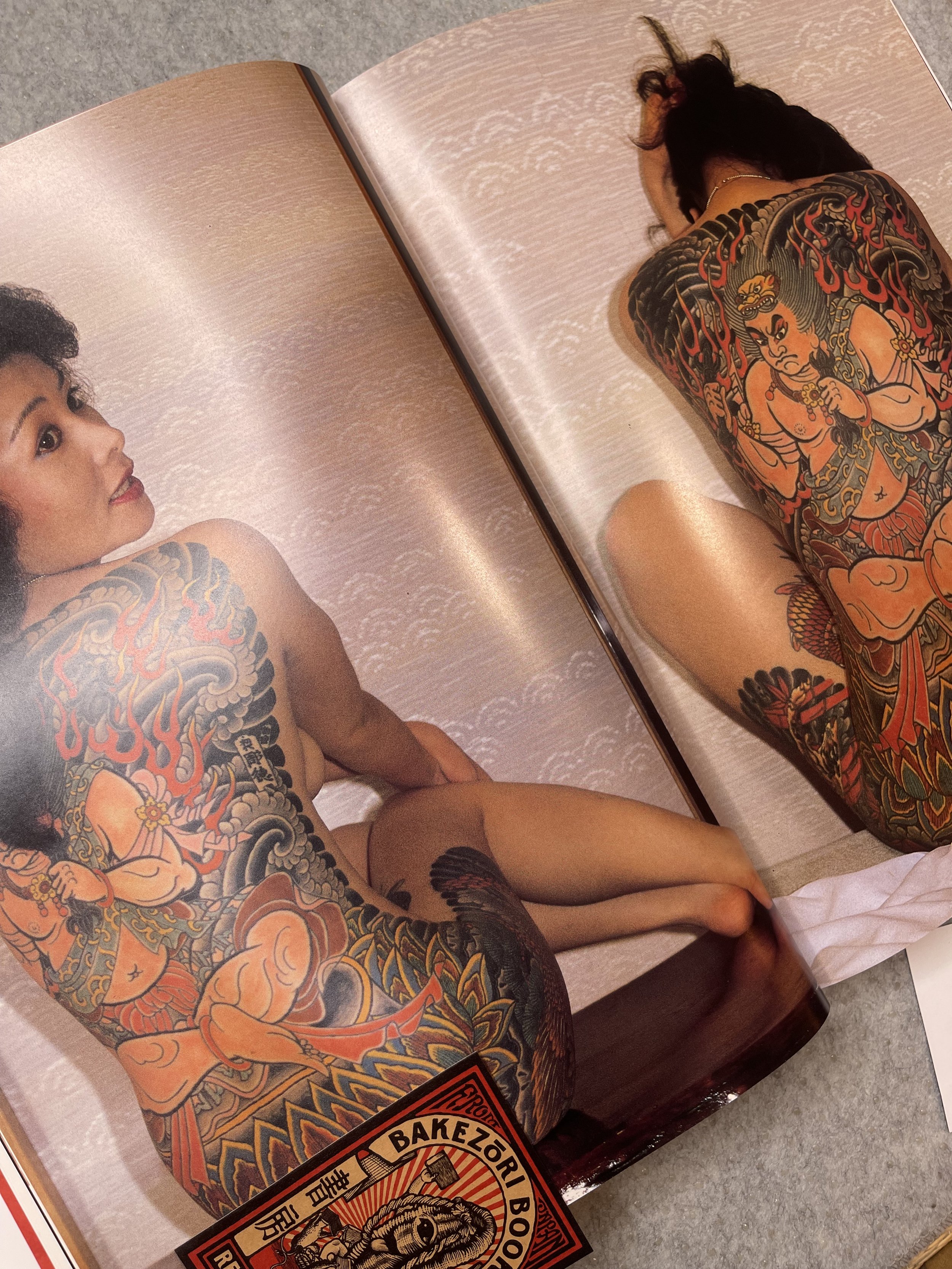
Horimono Shashin is the first book dedicated to photographs showing tattooing from the second half of the 19th century in Japan.
From the second half of the 19th century, Japan opened up to the Western world, which discovered a fascinating fashion: Japanese people tattooed with complex, polychrome designs. The practice of horimono, the term used to describe traditional tattooing in Japan during the Edo period (1603-1868), was widely reported in the accounts of foreign travellers. It was also immortalised thanks to the Western craze for colour photographs (Yokohama shashin).
At the time, most tattooed working-class people were men, whether firemen, carpenters, grooms, porters or couriers. Still visible in the public space, they showed off their singularity, which the new Meiji government banned in 1872 to meet the demands of Victorian morality.
Attested as early as 1859, tattoos were barely visible given the photographic process used. In 1863, Felice Beato (1832-1909) and Shimooka Renjō (1823-1914) produced coloured portraits of tattooed people in business card format. The tattoos were meticulously redrawn, but the small size of the prints (6 x 9 cm) made it impossible to discern the patterns in which the central figure of the tattoo emerged. From 1866 onwards, new large portraits appeared, a format that was to become the standard for tourist photography produced by the Yokohama workshops.
The book is in both English and French.
(2024)
192 pages
Horimono Shashin is the first book dedicated to photographs showing tattooing from the second half of the 19th century in Japan.
From the second half of the 19th century, Japan opened up to the Western world, which discovered a fascinating fashion: Japanese people tattooed with complex, polychrome designs. The practice of horimono, the term used to describe traditional tattooing in Japan during the Edo period (1603-1868), was widely reported in the accounts of foreign travellers. It was also immortalised thanks to the Western craze for colour photographs (Yokohama shashin).
At the time, most tattooed working-class people were men, whether firemen, carpenters, grooms, porters or couriers. Still visible in the public space, they showed off their singularity, which the new Meiji government banned in 1872 to meet the demands of Victorian morality.
Attested as early as 1859, tattoos were barely visible given the photographic process used. In 1863, Felice Beato (1832-1909) and Shimooka Renjō (1823-1914) produced coloured portraits of tattooed people in business card format. The tattoos were meticulously redrawn, but the small size of the prints (6 x 9 cm) made it impossible to discern the patterns in which the central figure of the tattoo emerged. From 1866 onwards, new large portraits appeared, a format that was to become the standard for tourist photography produced by the Yokohama workshops.
The book is in both English and French.
(2024)
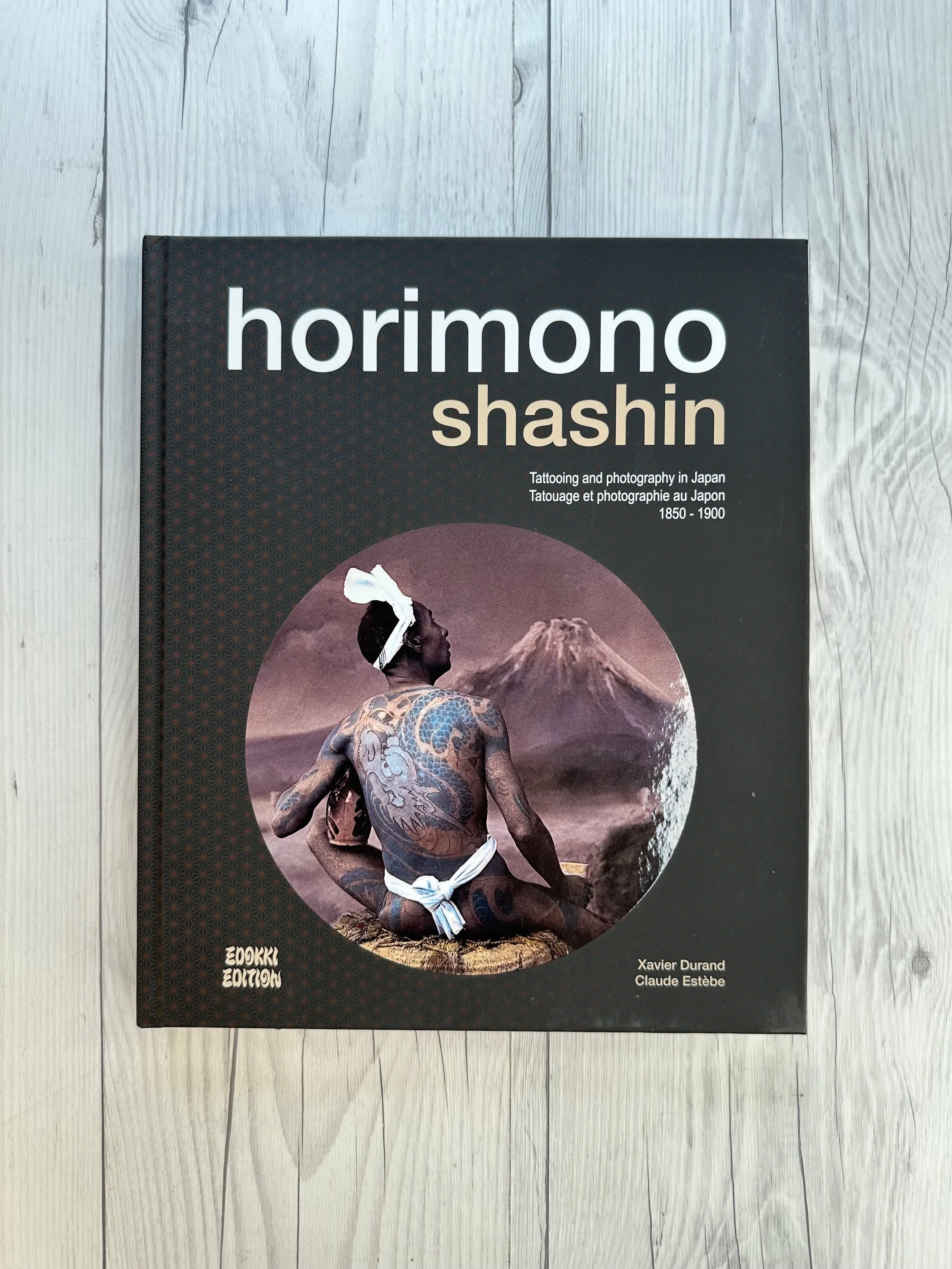 Image 1 of 8
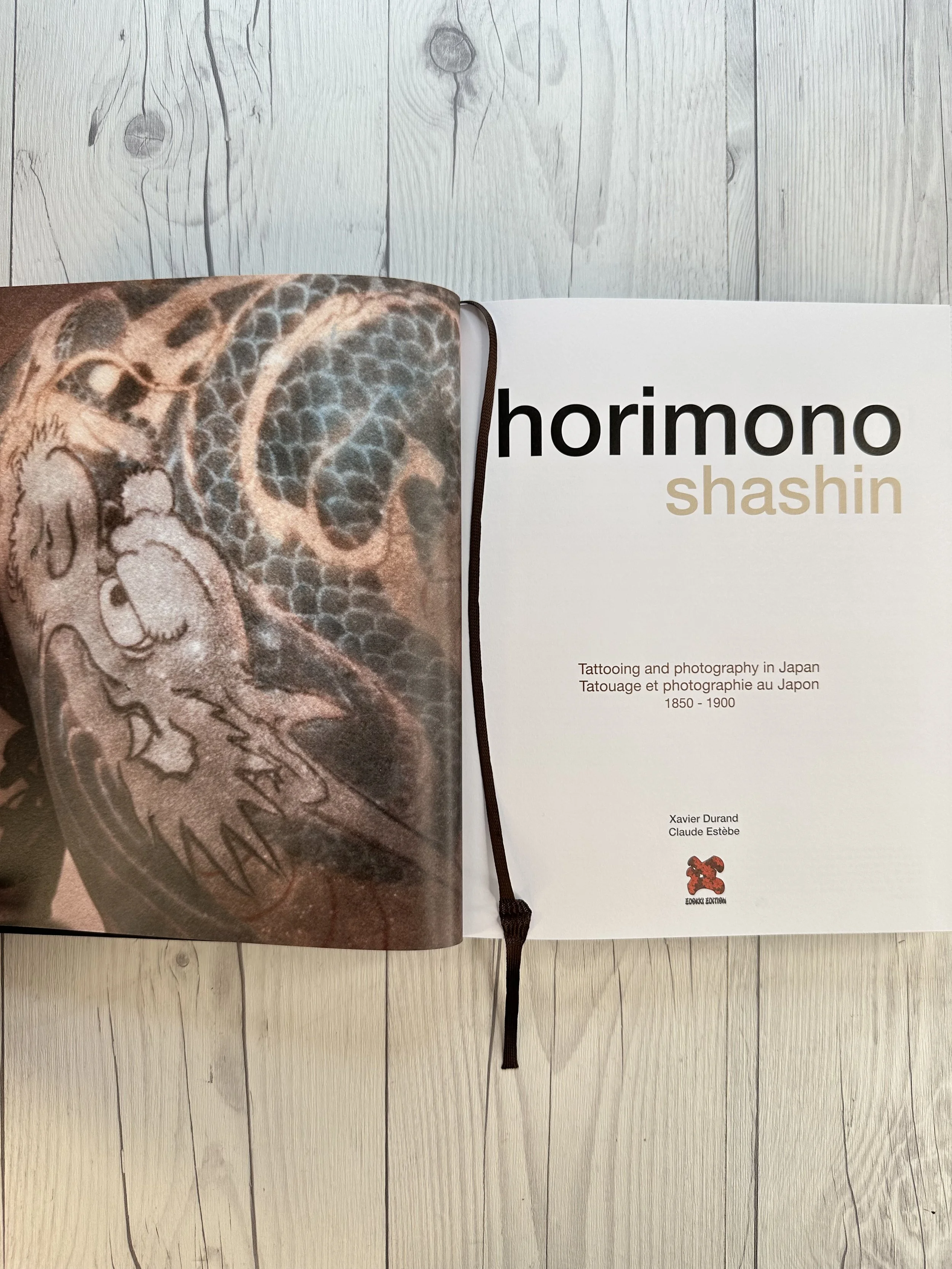 Image 2 of 8
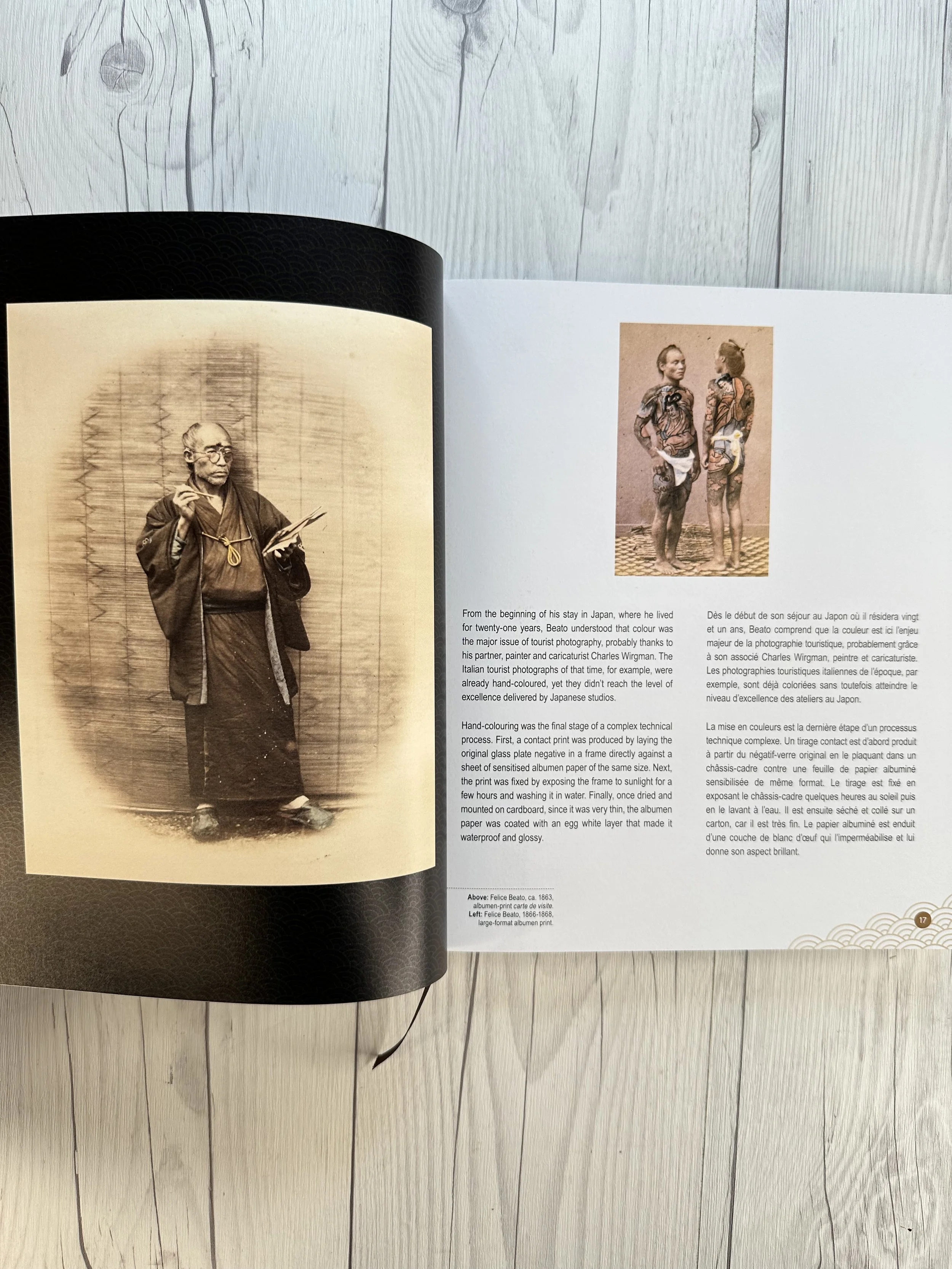 Image 3 of 8
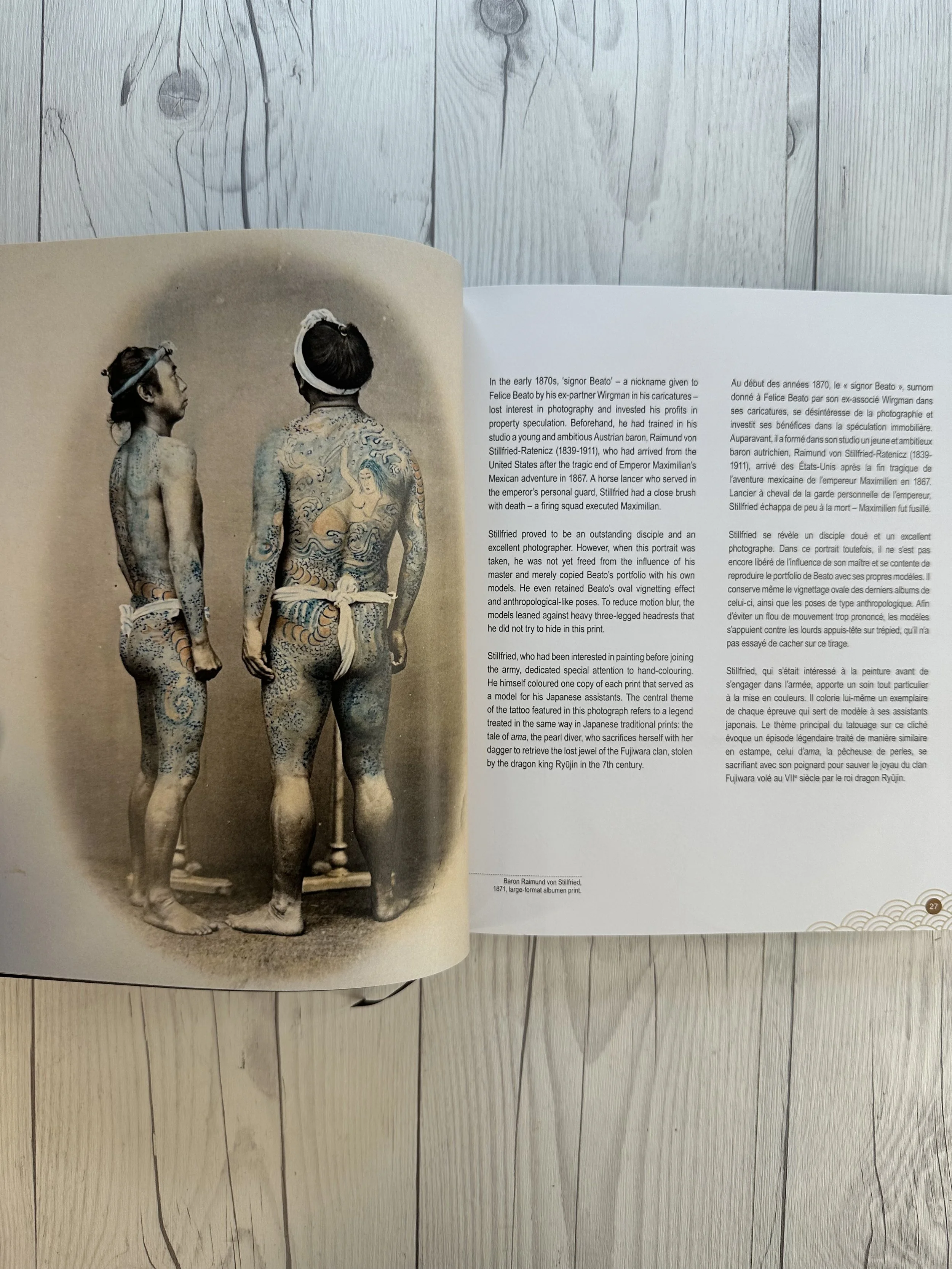 Image 4 of 8
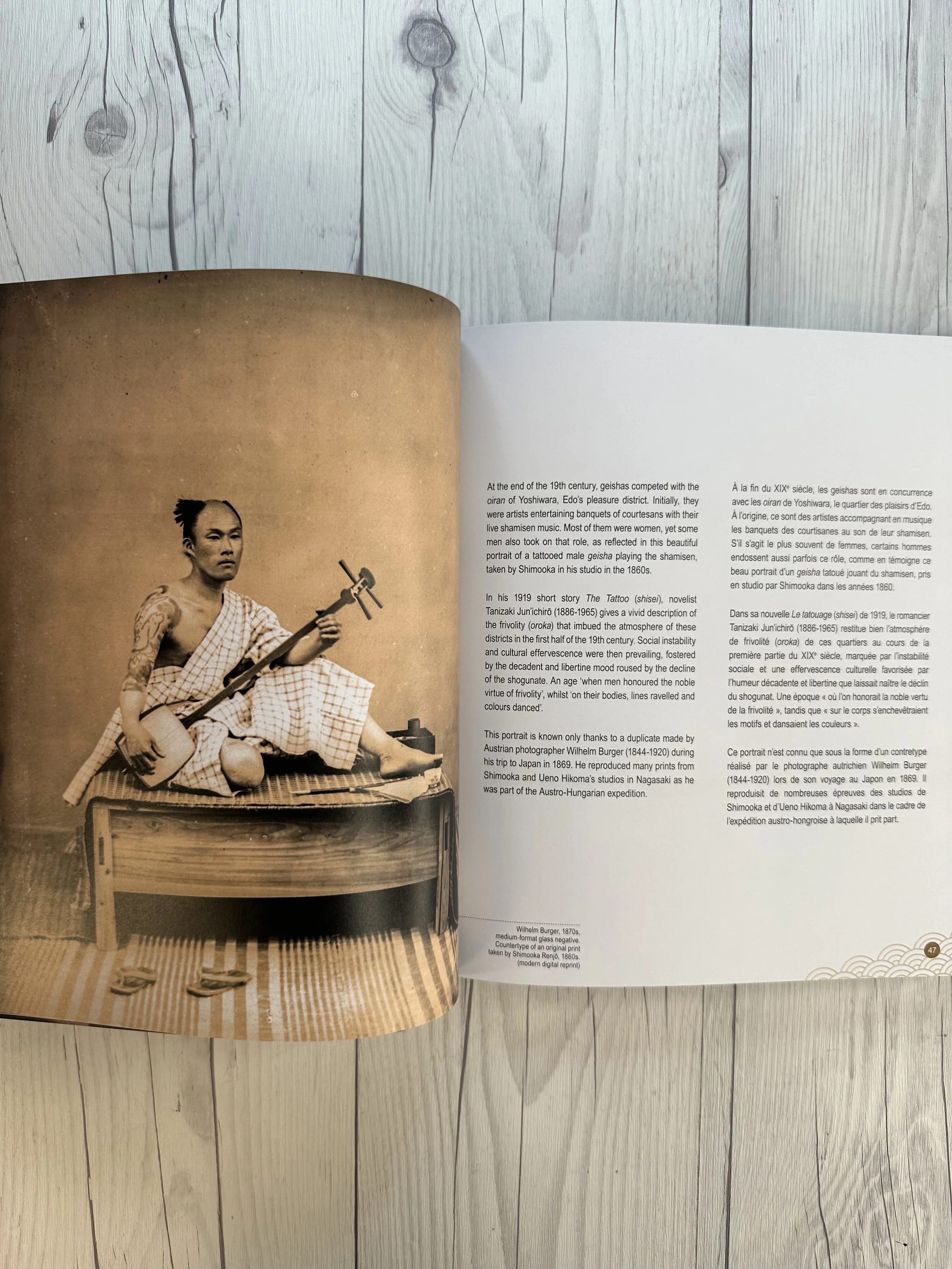 Image 5 of 8
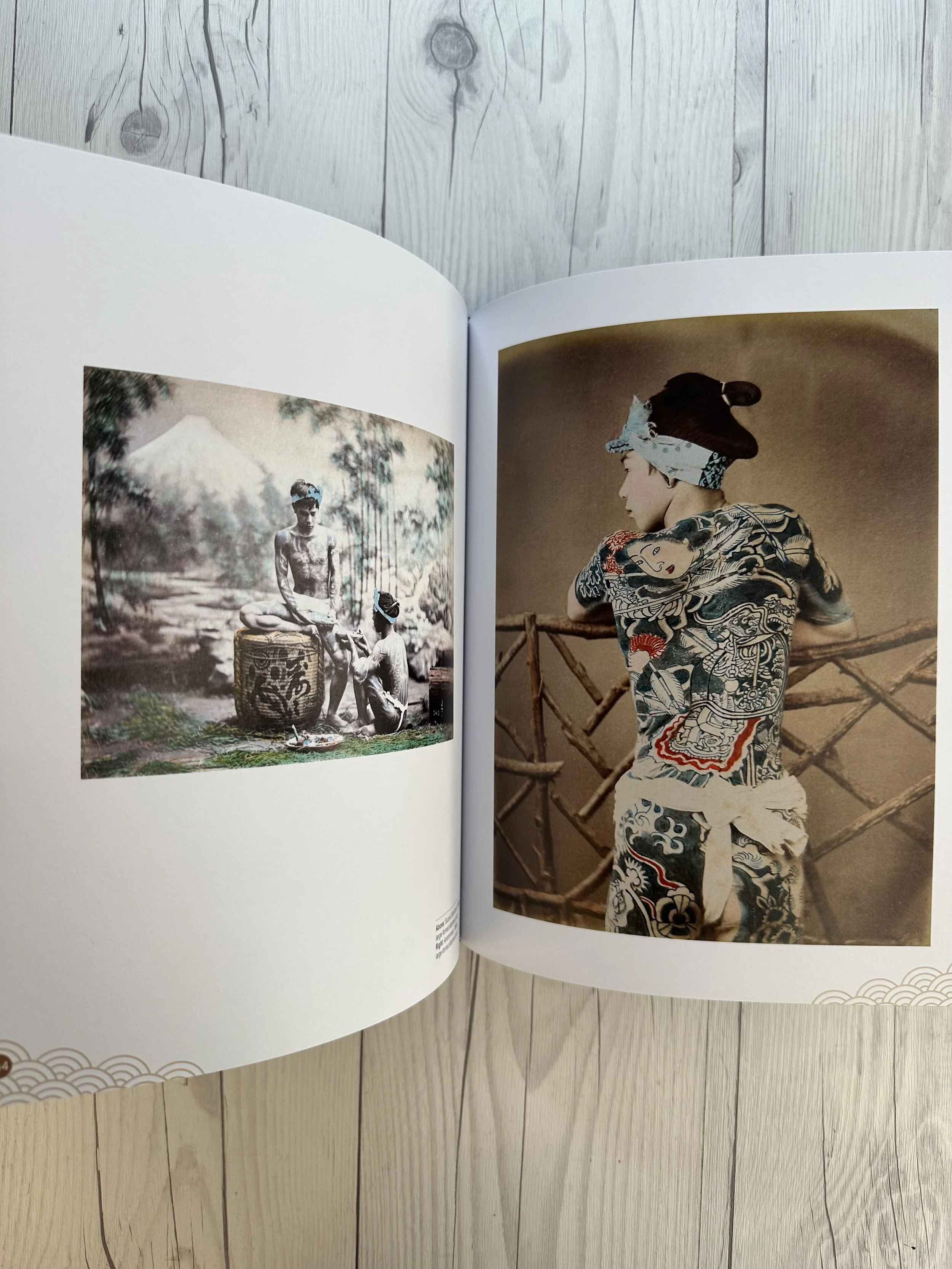 Image 6 of 8
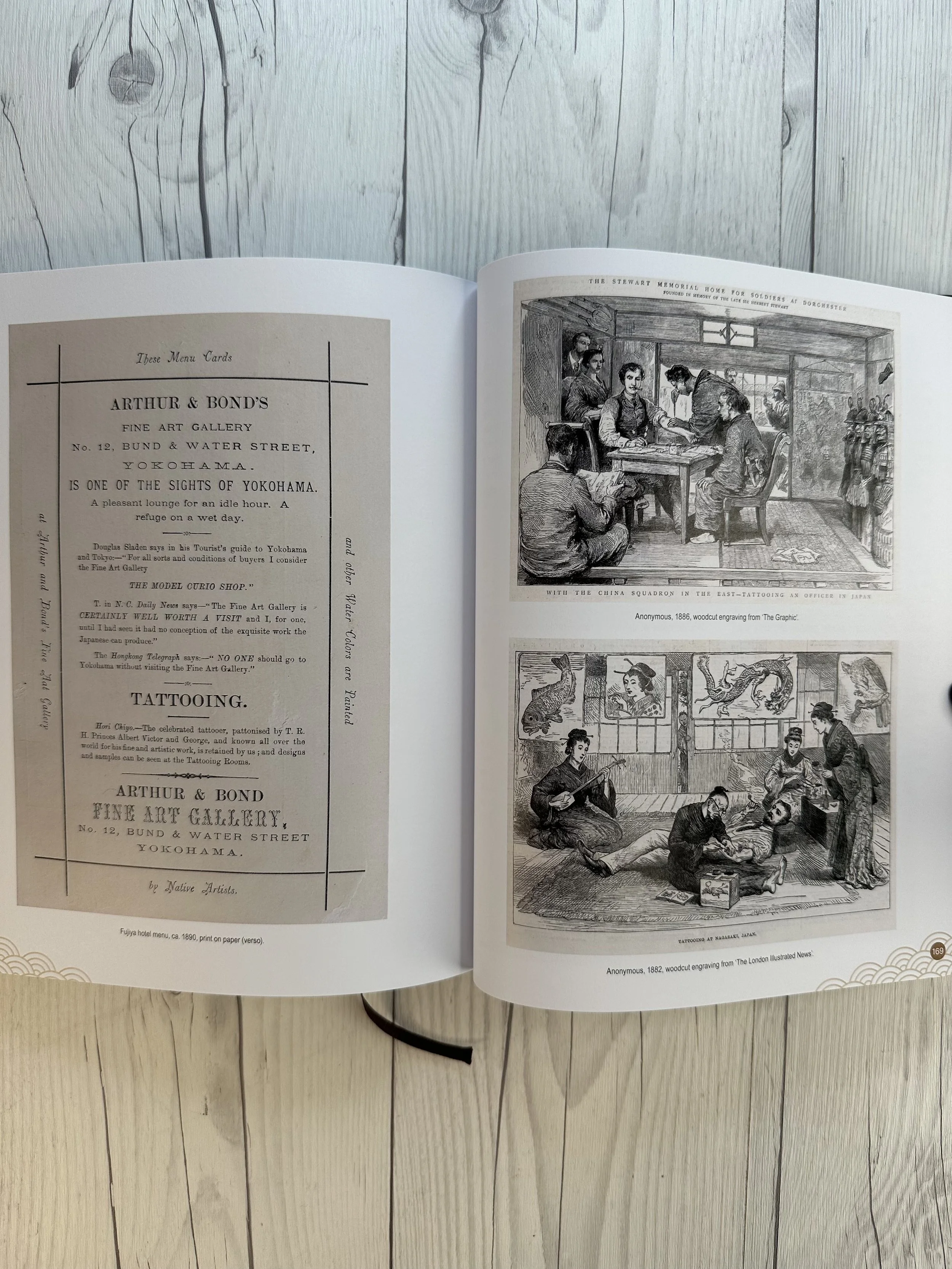 Image 7 of 8
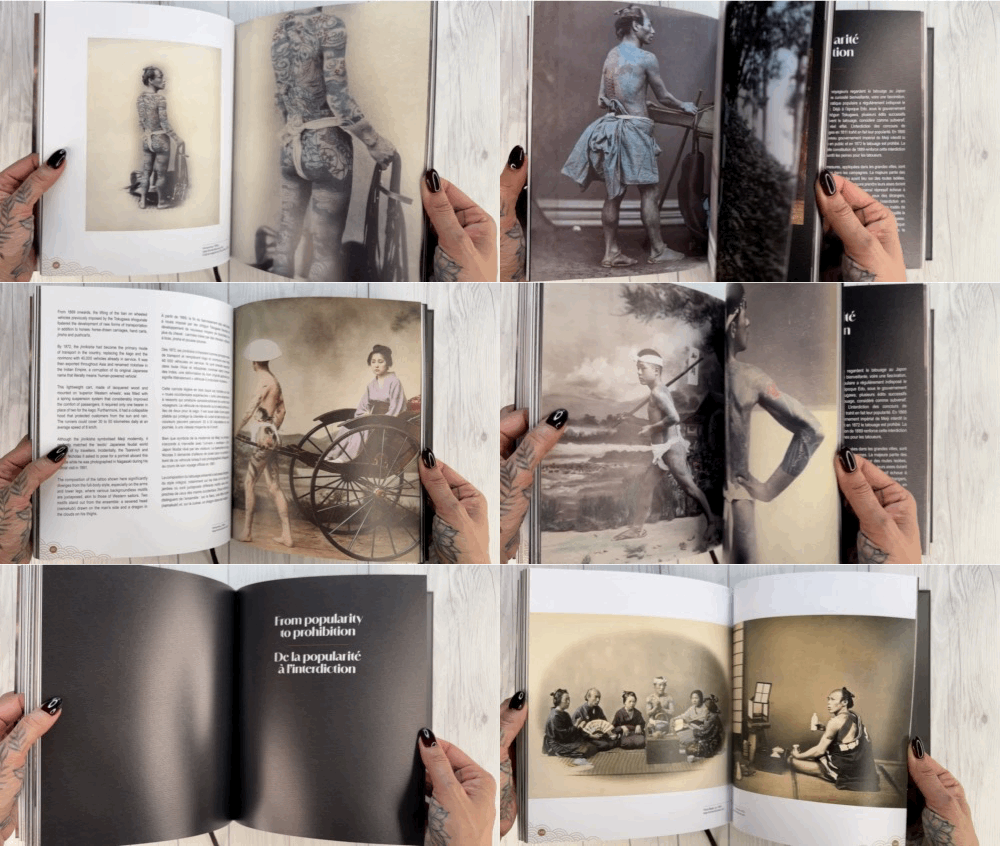 Image 8 of 8